The Navigators Next Door: How Community Health Workers Are Closing the Rural Support Gap
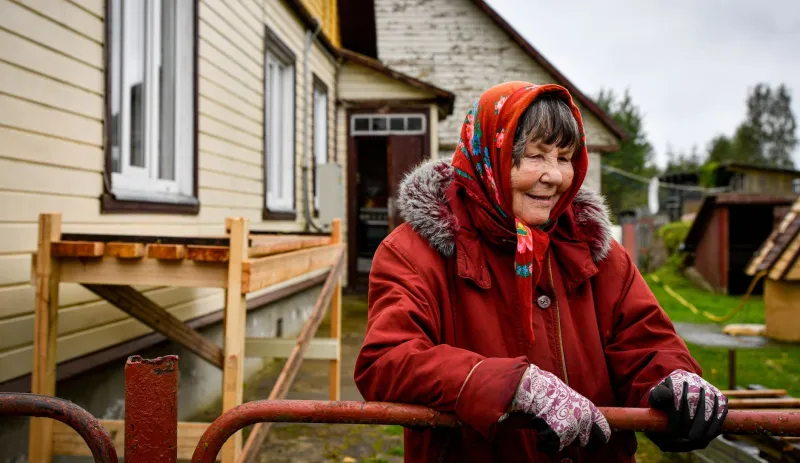
On a county road outside a small town, the nearest specialist may be an hour away, the nearest pharmacy might close at six, and the nearest reliable internet connection might be at the library. For rural families managing chronic illness, these are not minor inconveniences. They are the practical terms of care. Community health workers and patient navigators have emerged as essential bridges between those terms and the health system that often assumes a different reality.
A Role Built for the Long Distance
Community health workers are typically trusted local residents trained to connect people with health and social services. Patient navigators perform related work, often focusing on helping patients move through complex systems such as cancer care, insurance, or hospital discharge. Neither role replaces a nurse, physician, or social worker. Instead, these workers help families translate instructions, complete forms, arrange transportation, and persist when a system feels designed for someone with more time, more broadband, and more money.
In rural areas, the role is especially valuable because the barriers are layered. A family may qualify for Medicaid but struggle to complete a renewal. A patient may need a ride to dialysis but not know that a transportation voucher exists. A caregiver may feel isolated long before anyone asks how they are doing. A community health worker can ask that question in a way that feels local rather than institutional.
From Paperwork to Transportation: Where Navigation Helps Most
Consider a rural family managing a new diabetes diagnosis. The clinic visit may be manageable, but the follow-up requires a nutrition class, a glucose meter, and a prescription refill. The family may not know which supplies are covered, how to appeal a denial, or where to find a pharmacist who can explain dosing. A navigator can help sort the paperwork and rehearse questions for the clinic.
Or consider an older adult recovering from a hospital stay. Discharge instructions may assume a caregiver who can take time off work, a working vehicle, and reliable phone service. A community health worker can help arrange follow-up appointments, identify a local food resource, and check whether the home has the equipment needed for recovery.
Transportation is often the most visible gap. In communities without public transit, a single missed ride can mean a missed oncology appointment or a delayed prescription. Navigators may connect families with volunteer driver programs, mileage reimbursement, or telehealth options when appropriate. They can also help families prepare for telehealth by testing a device, finding a private space, or identifying a community site with reliable internet.
Isolation is less visible but no less important. Rural caregivers may go weeks without speaking to another person who understands their situation. A community health worker can introduce a support group, a faith-based respite program, or a telephone check-in service. Sometimes the most valuable intervention is simply consistent contact.
What Rural Families Can Ask a Community Health Worker
Families do not need to wait for a referral to ask whether navigation support exists. These questions can open a useful conversation:
- Can you help me understand this insurance letter or medical bill?
- What transportation options are available in my county for medical appointments?
- Can you join a phone call with the clinic or insurer if I feel overwhelmed?
- How do I find a support group or respite program near me?
- Are your services free, and what information will be shared with my care team?
- Can you help me set up a telehealth visit or find a location with reliable internet?
- What local food, housing, or utility assistance programs might I qualify for?
- How do I request medical records or ask for an interpreter?
- Can you help me make a care plan for a family member who lives alone?
Clear answers matter. A reliable navigator should explain confidentiality, boundaries, and how to reach them. They should also be transparent about what they cannot do. Navigation is not a substitute for emergency care, legal advice, or clinical decision-making.
Trust, Privacy, and the Limits of the Role
Community health workers are most effective when families trust them. That trust depends on privacy and cultural humility. Families should feel able to ask how their information will be used and who will see it. In the United States, health care providers are generally bound by privacy rules such as HIPAA, but community-based organizations may operate under different policies. A good navigator will explain those policies plainly.
Boundaries also matter. A community health worker may help a family prepare for an appointment but should not make clinical decisions for them. They may help complete a form but should not pressure a family into a particular insurance plan. They may offer emotional support but should refer to licensed professionals when needs exceed their role.
Finding Local Support Networks: A Resource Guide
Rural families can begin with a few dependable starting points. The 211 service, available in many areas, connects callers with local resources for health, food, housing, and transportation. Federally qualified health centers and rural health clinics often employ patient navigators or can refer families to community health workers. Area Agencies on Aging provide information for older adults and caregivers, including respite and transportation programs.
Disease-specific organizations frequently offer helplines, caregiver groups, and financial assistance information. State rural health associations and cooperative extension offices may know about local programs that are not widely advertised. Libraries remain an underrated resource for internet access, printing, and community referrals. Faith communities, tribal health organizations, and local community centers may also offer practical support.
MSHW Health encourages families to keep a simple list of trusted contacts and to update it when services change. A resource guide is only useful if it is reachable when a crisis arrives.
A Bridge That Needs Maintenance
The growing role of community health workers reflects both innovation and necessity. Rural families are often asked to manage complex care with fewer supports than urban families. Navigators help close that gap, but they cannot do it alone. Sustainable funding, workforce training, and local partnerships are essential to keep the bridge standing.
For families, the practical message is straightforward: ask whether navigation support exists, ask what it covers, and ask how to stay connected. In rural communities, the person who helps close the support gap may not be a specialist from a distant hospital. It may be a neighbor with the right training, the right questions, and the patience to stay on the line.