MSHW Health Community, awareness, and support for every family.

MSHW Health

Community, awareness, and support for every family.

Latest Articles

When the Bill Outpaces the Binder: A Family’s Guide to Hospital Financial Assistance
Caregiver Support

When the Bill Outpaces the Binder: A Family’s Guide to Hospital Financial Assistance

Hospital bills often arrive after the discharge folder has been filed away, but the financial assistance policy inside that folder may still be usable. This guide explains how US hospital financial assistance works in 2026, what documents families should gather, and how to ask a financial counselor the right questions before deadlines pass.

The Duplicate Kit Principle: Why Two Small Medical Bags Beat One Perfect One
Caregiver Support

The Duplicate Kit Principle: Why Two Small Medical Bags Beat One Perfect One

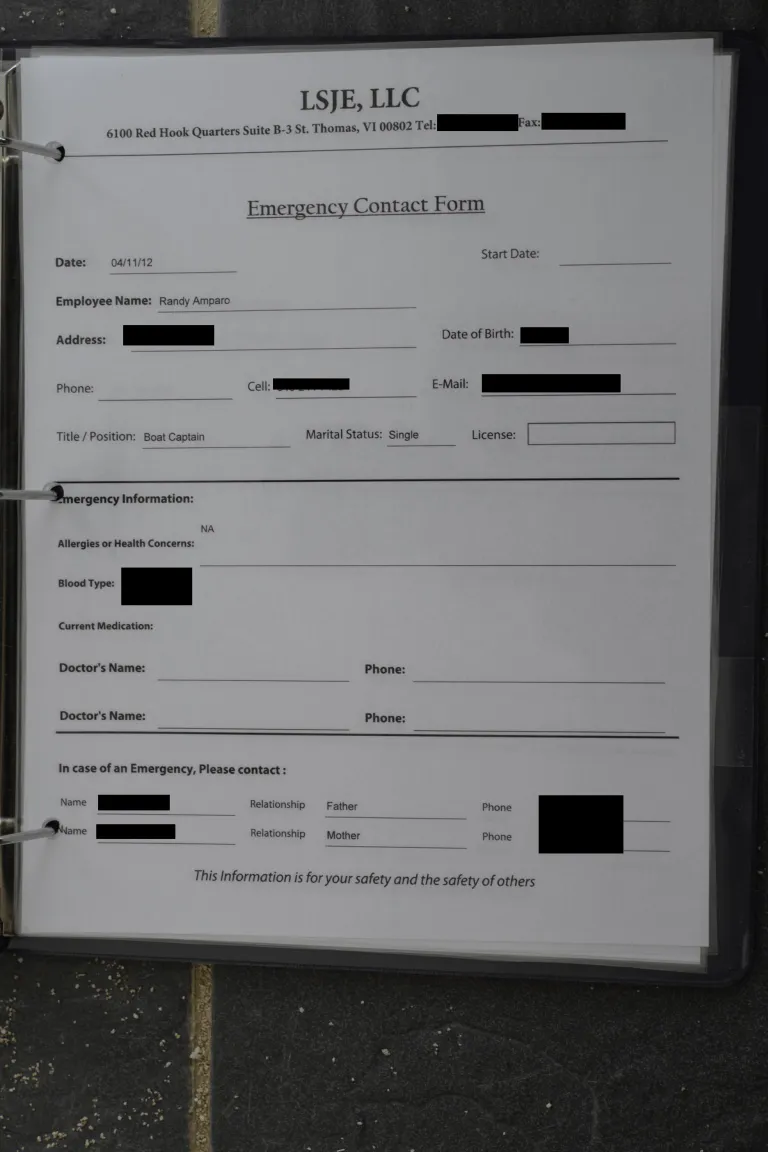
An urgent appointment or unplanned emergency room visit rarely begins with time to spare. A practical alternative to one elaborate emergency bag is a pair of small, matching kits—one in the vehicle and one near the door—stocked with the records, chargers, snacks, and comfort items a family actually reaches for under pressure.

Keeping the Cold Chain at Home: A Family’s Playbook for Refrigerated Medicines During Outages
Prevention & Awareness

Keeping the Cold Chain at Home: A Family’s Playbook for Refrigerated Medicines During Outages

A power outage can turn a household refrigerator into a countdown clock for insulin, biologics, and other temperature-sensitive prescriptions. This guide helps families prepare a backup kit, interpret storage guidance, and make confident decisions when the cold chain is at risk.

The Second Signature: A Practical Backup Caregiver Plan for Unpredictable Days
Caregiver Support

The Second Signature: A Practical Backup Caregiver Plan for Unpredictable Days

A backup caregiver plan is more than a name on an emergency form. This guide explains how families can document who may pick up prescriptions, consent to routine care, and receive health updates when the primary caregiver is unavailable.

The Quiet Safety Net: Turning 211 Into a Family Resource Map
Caregiver Support

The Quiet Safety Net: Turning 211 Into a Family Resource Map

Most families discover 211 in the middle of a crisis, when they are already tired and pressed for time. A better approach is to map the service before the need arrives. This guide explains how to prepare for a 211 call, what to ask, and how to turn the conversation into a workable local resource list.

The Monthly Mail Pause: A Caregiver’s Routine for Sorting Insurance Letters
Caregiver Support

The Monthly Mail Pause: A Caregiver’s Routine for Sorting Insurance Letters

Insurance mail can look like a bill even when it is not. This monthly routine helps families sort statements, bills, denial letters, and deadlines so nothing is paid twice or missed.

Before Care Begins: A Family’s Five-Minute Verification Routine for Every Medical Visit
Prevention & Awareness

Before Care Begins: A Family’s Five-Minute Verification Routine for Every Medical Visit

A wristband, a portal profile, or a printed label is only one part of the safety picture. This practical routine helps families confirm identity, allergies, medications, and the reason for a visit before care begins—calmly, consistently, and without implying distrust.

Caregiver Support

The First Read Is the Only Read: A Family’s Guide to Clear Portal Messages

Patient portals have become a routine front door for family health questions, but a portal message is not an ordinary text thread. This guide explains how families can write clear, complete messages that help care teams act on the first read, flag urgency honestly, and follow up without flooding the inbox.

A Spare Key to Care: Building a Family Ride Network for Medical Appointments
Rural Health

A Spare Key to Care: Building a Family Ride Network for Medical Appointments

A missed appointment is often a transportation problem in disguise. This guide helps families assemble a dependable, layered ride plan for medical visits, from Medicaid non-emergency transportation to volunteer drivers and safer ride-share use, with a one-page backup list to keep by the door.

The Right to Be Understood: Building a Language-Access Plan for Every Medical Visit
Caregiver Support

The Right to Be Understood: Building a Language-Access Plan for Every Medical Visit

Language barriers can turn a routine appointment into a series of guesses. This guide explains how families can request a qualified medical interpreter, prepare documents in advance, and confirm that discharge instructions are truly understood — without asking children to carry the conversation.

The Space Between the Order and the Answer: A Family Checklist for Closing Referral Loops
Caregiver Support

The Space Between the Order and the Answer: A Family Checklist for Closing Referral Loops

A referral can look like a finished step, but it often opens a chain of scheduling calls, insurance checks, and result handoffs. This guide offers families a one-page closed-loop checklist and plain-language scripts for confirming that orders, appointments, and results actually reach the right person.

The Handoff at the Hospital Door: A Waiting-Room Shift Plan for Families
Caregiver Support

The Handoff at the Hospital Door: A Waiting-Room Shift Plan for Families

Hospital waiting areas often become temporary command centers, but good intentions alone do not keep a family organized. This guide outlines a practical shift system with a single family liaison, clear handoff notes, coordinated parking and meals, and scheduled rest so relatives can support the patient without collapsing under the wait.

The Midmorning Call: A Parent's Steady Playbook for School Health Updates
Caregiver Support

The Midmorning Call: A Parent's Steady Playbook for School Health Updates

A school nurse's call rarely arrives at a convenient moment. This guide offers a short, repeatable script for gathering the right details in the first five minutes, a simple framework for choosing between pickup, a clinic visit, and watchful waiting, and a printable one-page sheet that keeps a child's health information where caregivers can find it.

Between the Stacks: How Public Libraries Became a Front Door to Family Health
Prevention & Awareness

Between the Stacks: How Public Libraries Became a Front Door to Family Health

Public libraries now offer far more than books, from private telehealth rooms to community health worker visits and health literacy kits. For families who need a low-pressure starting point, the local branch can be one of the quietest and most useful health resources in the community.

The First Thirty Days: A Week-by-Week Support Calendar for Families Facing a New Diagnosis
Caregiver Support

The First Thirty Days: A Week-by-Week Support Calendar for Families Facing a New Diagnosis

A new diagnosis arrives with a schedule already attached—appointments, prior authorizations, and advice from every direction. This week-by-week calendar helps families assign the calls, the notes, and the check-ins, then revise the plan at day 30 without apology.

The Pharmacy Counter as a Family Resource: A Ten-Minute Script for Safer Medication Conversations
Prevention & Awareness

The Pharmacy Counter as a Family Resource: A Ten-Minute Script for Safer Medication Conversations

Pharmacists are often the most reachable health professionals for busy families, particularly in rural and underserved communities. This guide offers a practical ten-minute counter consultation script and a simple documentation method so medication insights travel clearly between prescribers, caregivers, and relatives.

When Home Is a Plane Ride Away: A Practical Operating Plan for Long-Distance Caregiving
Caregiver Support

When Home Is a Plane Ride Away: A Practical Operating Plan for Long-Distance Caregiving

Managing an aging parent’s health from another state requires more than frequent phone calls. A clear local point person, a shared information routine, and rehearsed emergency steps can turn distance from a source of guilt into a manageable logistics problem.

One Call, Then Many: A Practical Notification Chain for Family Health Emergencies
Caregiver Support

One Call, Then Many: A Practical Notification Chain for Family Health Emergencies

Most families rely on a single emergency contact and improvise after that. This guide explains how to build a simple notification chain with assigned roles, a one-page template, and routines that keep relatives and employers informed during a hospitalization. It is designed for households that want less confusion and more reliable support.

The After-Hours Decision Tree: A Family Framework for Choosing Care With Confidence
Prevention & Awareness

The After-Hours Decision Tree: A Family Framework for Choosing Care With Confidence

Symptoms rarely arrive at a convenient hour. This family-focused framework helps households decide among the emergency room, urgent care, telehealth, and a next-day appointment before stress makes the choice for them. It covers red flags, cost and coverage questions, pediatric and older-adult considerations, and a simple plan to rehearse at home.

The Heirloom We Can Actually Use: Gathering Family Health History at Holiday Gatherings
Prevention & Awareness

The Heirloom We Can Actually Use: Gathering Family Health History at Holiday Gatherings

Holiday gatherings are a natural setting for family stories, including health history. This guide offers gentle conversation starters, sensitive alternatives for adoption and estrangement, and a simple record template families can bring to clinician visits.