The Duplicate Kit Principle: Why Two Small Medical Bags Beat One Perfect One
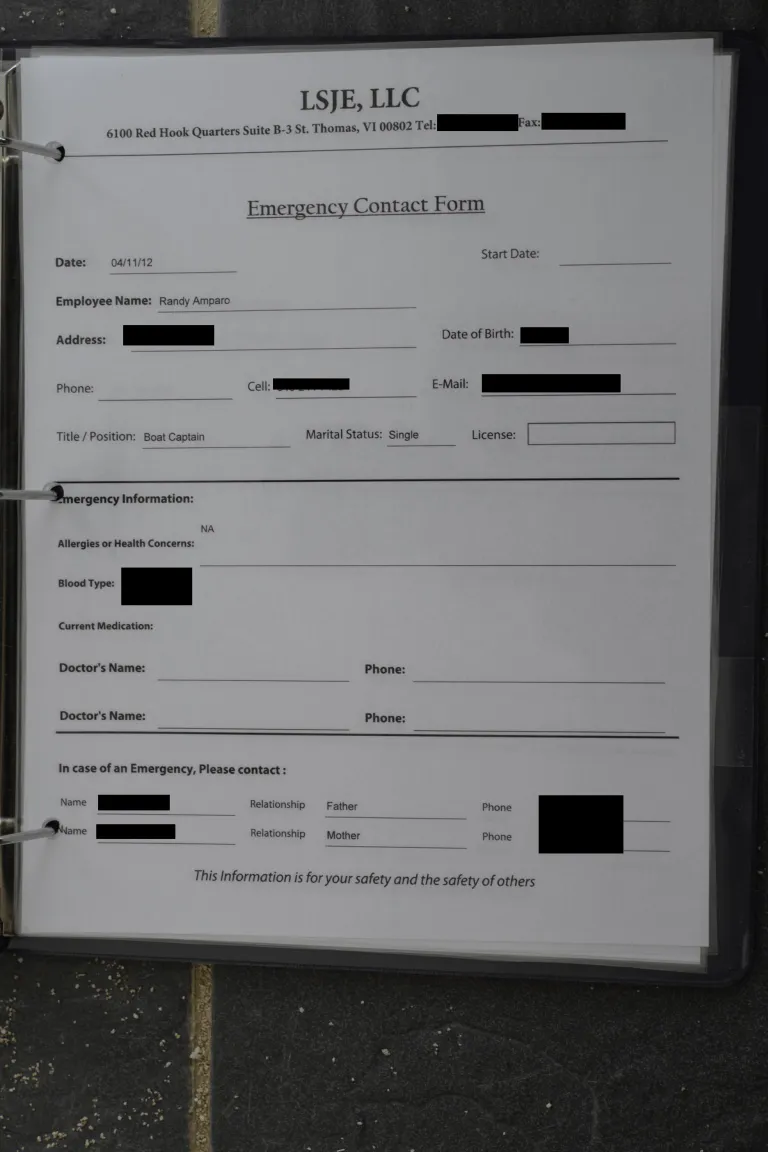
Photo: Federal Bureau of Investigation, Public domain, via Wikimedia Commons
An unexpected care day rarely announces itself. A child spikes a fever at school pickup. An older parent calls from a grocery store parking lot saying the room will not stop spinning. A routine appointment ends with a same-day referral across town. In those moments, the last thing a family needs is a search through bathroom drawers for an insurance card or a phone charger that has wandered into another room.
Most households do not lack supplies. They lack a single, dependable place where the right supplies wait together. The common advice is to build one perfect emergency bag. A more practical approach for many families is duplication: two small, modest kits—one in the vehicle, one near the door or in a hallway closet—that share the same inventory list. The goal is not a hospital-grade cache. It is a predictable pause button for the first hour of a stressful day.
Why One Kit Is Never Where You Need It
A single bag has a placement problem. If it lives in the trunk, it is useless when an older adult feels faint in the living room. If it lives in the hall closet, it is absent when a driver is already two towns away and a clinic asks for a medication list. Families who care for children and older adults often need both locations at once.
The duplicate kit principle solves the placement problem without requiring a large investment. Each kit can fit in a small tote or a one-gallon zip-top bag. The vehicle kit stays compact and weather-aware. The home kit can be slightly more generous because it does not compete for trunk space. Both carry the same core records and the same short list of comfort and communication items.
What Belongs in the Core Pouch
Start with access and identity. Each kit should hold photocopies—not originals—of current insurance cards, a one-page medication list, allergy notes, emergency contacts, primary care and pharmacy phone numbers, and any advance directive or care preference document a family wants available. For older adults, include a copy of the Medicare card and a list of specialists. For children, include the school health form and the pediatrician’s after-hours number.
Do not include full Social Security numbers or documents that would be difficult to replace. A photocopy is enough for most front-desk conversations, and a photograph stored in a secure phone folder can serve as a backup.
Next comes power and communication. A short charging cable, a small portable battery pack, a pen, and a pocket notebook belong in both kits. The notebook matters more than it seems. Waiting rooms are where questions arrive and then vanish. A dedicated page for the date, the clinician’s name, the medication change, and the follow-up instruction prevents a family from reconstructing the visit from memory later.
Add a small supply of shelf-stable snacks and water, a light layer for cold waiting rooms, and a few comfort items. For a child, that may be a small toy, stickers, or a familiar blanket. For an older adult, spare glasses, hearing aid batteries, and a light sweater are often more valuable than anything clinical.
Tailoring the Kit Without Overpacking
A kit for children should include a change of clothes, wipes, and any diaper or feeding supplies appropriate to the child’s age. Check expiration dates on any over-the-counter product and follow the pediatrician’s guidance rather than treating the bag as a standing pharmacy. A comfort object does real work in an emergency department; a unfamiliar toy does not.
A kit for older adults should account for mobility and sensory needs. A folding cane, a list of implanted devices, a note about communication preferences, and a small supply of incontinence products can make a long wait more dignified. If the person uses a hearing aid or dentures, include spare batteries and a labeled case.
The caregiver’s own needs belong in the kit as well. A folder for discharge papers and receipts, a snack for the person who will spend four hours in a waiting room, and a phone charger that fits the caregiver’s device are not luxuries. They are part of the care plan.
The Medication Caveat: Stage, Do Not Store
A vehicle kit should not become long-term storage for medication. Heat inside a closed car can climb well beyond room temperature, and cold winter nights can be just as damaging. Insulin, liquid antibiotics, and many other products are sensitive to temperature swings. Even over-the-counter items degrade over time in a trunk.
Use the vehicle kit as a staging point, not a pharmacy. Keep a small, labeled grab-and-go pouch near the door with the medications that must travel with the family that day. On a care day, the pouch moves to the car and then back inside. The trunk holds the records, chargers, snacks, and comfort items—not the fragile supply.
A Quarterly Refresh That Takes Fifteen Minutes
A kit is only useful if it is current. Choose one weekend each season—perhaps the same weekend the household changes smoke detector batteries or rotates seasonal clothing—and open both kits on the kitchen table. Check expiration dates, charge the battery pack, update the medication list, replace water and snacks, and confirm that insurance cards and phone numbers are still accurate. Swap the child’s change of clothes for the next size. Replace the older adult’s spare glasses prescription if it has changed.
Assign one person to the task and put it on a shared calendar. A fifteen-minute quarterly ritual is easier to sustain than an annual overhaul that never happens.
The Point Is Not Perfect Preparedness
No bag prevents an urgent day. A duplicate kit will not diagnose a fever, shorten an emergency room wait, or replace a clinician’s judgment. What it can do is remove one layer of disorder from a moment that already asks a family to think quickly. Two small kits, checked four times a year, give a household something more useful than a perfect plan: a dependable place to start.