Keeping the Cold Chain at Home: A Family’s Playbook for Refrigerated Medicines During Outages
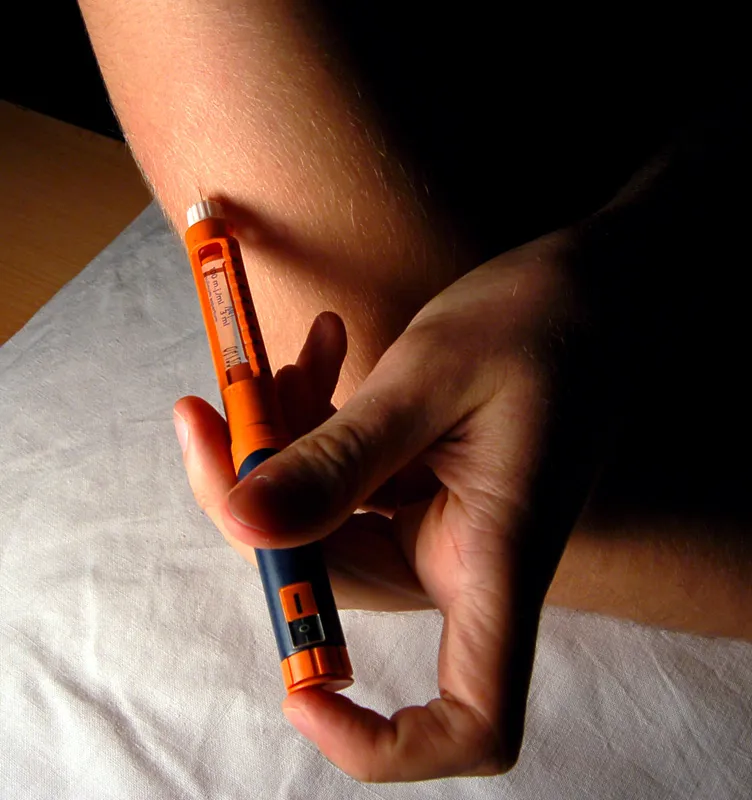
Photo: Mr Hyde at Czech Wikipedia (Original text: moje foto), Public domain, via Wikimedia Commons
When severe weather knocks out power, most families think first about lights, food, and heat. For households managing insulin, certain injectable biologics, vaccines, or other refrigerated prescriptions, the refrigerator becomes a different kind of concern. It holds a narrow window of safe storage, and that window can close quietly. The goal is not to improvise in the dark. It is to prepare a calm, verifiable plan before the lights flicker.
Why the Home Refrigerator Is Part of the Care Team
Temperature-sensitive medications are not all alike. Some must stay within a specific range, such as 2°C to 8°C, while others tolerate brief excursions if the manufacturer says so. A family does not need to memorize every rule. It does need to know where the rules live and how to reach someone who can interpret them.
This is especially important in rural areas, where replacement supplies may be hours away, and in households where more than one person depends on refrigerated medicine. A short outage may be manageable. A long one requires decisions about cooling, transport, and replacement. Those decisions are easier when the family has already identified the medication, the storage requirement, and the manufacturer’s support line.
Start With the Label, Not the Fear
Before building any kit, gather the manufacturer’s written storage instructions for each refrigerated medicine. Look for the original carton, the pharmacy insert, and the official product information. Note three details: the required temperature range, whether brief exposure to room temperature is acceptable, and what the manufacturer says about discarding the product after a temperature excursion.
Do not rely on memory or on a general assumption that all refrigerated medicines behave the same way. A pharmacist can help clarify the instructions, but the manufacturer’s labeling remains the primary reference. If the label is missing, call the pharmacy and ask for a replacement copy. Keep that copy with the medication emergency card described below.
Build a Small Cold-Chain Kit Before the Lights Flicker
A useful kit is modest and easy to find. Store it in one labeled bin near the refrigerator, not buried in a closet. Include:
- A refrigerator and freezer thermometer, so the family can read the actual temperature rather than guess.
- Two or three reusable ice packs or frozen gel packs.
- A small insulated cooler with a tight lid, sized for the medications in the household.
- A waterproof pouch for the medication emergency card and manufacturer instructions.
- A backup method for monitoring time, such as a battery-powered clock or a charged phone.
- A list of pharmacy, prescriber, and manufacturer contact numbers.
Check the kit twice a year. Replace ice packs that leak, confirm that phone numbers are current, and review whether any medication has changed. A kit that is reviewed is more useful than a kit that is merely assembled.
If the Power Fails: The First Hour
Keep the refrigerator and freezer doors closed as much as possible. A closed refrigerator holds cold air longer than an open one. Place the thermometer where it can be read quickly, and write down the time the outage began. If the medication is already in a small cooler with a properly prepared ice pack, follow the manufacturer’s instructions for that product rather than moving it repeatedly.
Do not place medication directly against ice. Direct contact can freeze a product that is meant to stay cool, not frozen. Wrap ice packs in a thin towel or place a barrier between the pack and the medicine. If the manufacturer says the product must not be frozen, treat that instruction as a firm boundary.
Ice Packs, Coolers, and the Risk of Getting It Wrong
A cooler is a temporary tool, not a permanent refrigerator. Use a thermometer inside the cooler and check it at planned intervals. Avoid opening the lid merely to look; each opening releases cold air. Keep the cooler away from direct sun, radiators, and hot vehicles.
For travel or evacuation, carry medicines in a labeled insulated bag with a copy of the storage instructions. If a family must leave home, they should take the medication emergency card, the original packaging when possible, and any unused ice packs. Do not leave refrigerated medicine in a parked car, even for a short errand, because interior temperatures can rise quickly.
When to Call the Pharmacy or Manufacturer
Call the pharmacy or manufacturer when the temperature has moved outside the labeled range, when the outage is expected to last longer than the family can safely manage, or when the product looks changed in color, clarity, or consistency. Ask specific questions: Is this product still usable after brief warmth? Should it be replaced? Can the pharmacy provide an emergency refill? What documentation should the family keep?
If the answer is uncertain, do not make a permanent decision in haste. A pharmacist or manufacturer representative can explain the next step. In some cases, replacement is the safest course; in others, the manufacturer may confirm that a short excursion is acceptable. The important point is to verify rather than guess.
The One-Page Card That Speaks for the Family
Create a single page titled Medication Emergency Card. Keep one copy on the refrigerator and one in a wallet or purse. Include each refrigerated medication’s name, strength, dose, storage range, manufacturer phone number, pharmacy phone number, prescriber phone number, and the date the card was updated. Add a short note about where the cold-chain kit is stored and whether the household has a backup power plan.
This card does more than organize information. During a stressful outage, it gives a neighbor, relative, or first responder a clear starting point. It also helps a family avoid repeating the same questions to three different offices.
Practice on a Quiet Day
A plan becomes useful only when it has been walked through. On a mild afternoon, open the kit, read one medication label aloud, check the thermometer, and practice placing a wrapped ice pack in the cooler. Confirm that every adult in the household knows where the card is kept. The practice does not need to be elaborate. It needs to be familiar.
Power outages are inconvenient for everyone and consequential for some. With a small kit, a written card, and a habit of calling for guidance instead of guessing, families can protect refrigerated medicines and reduce the anxiety that comes when the cold chain is at risk.