After the Elevator Doors Close: A Safer First 72 Hours at Home
The Gap Between Instructions and Reality
A hospital discharge can feel like a door closing on care and opening onto uncertainty. The patient is sent home with paperwork, prescriptions, and follow-up dates, but families often discover that the instructions assume a level of support, equipment, and confidence they do not yet have. The first 72 hours are frequently the most fragile. Medications change, wounds need watching, mobility is limited, and the nearest clinician may be an appointment days away.
That gap is not a failure of any one family. It is a structural feature of modern hospital care: acute treatment ends before daily life is fully rebuilt. Families can narrow the gap by treating discharge as a planning process rather than a handoff. The goal is not to recreate the hospital at home. It is to create a safe, observable transition with clear lines of communication.
Before You Leave: Questions That Change the Plan
The most useful advocacy happens before the car is packed. Ask the discharge planner, nurse, or case manager to walk through the plan in plain language and to write down answers. Request a copy of the discharge summary and medication list. Confirm the working diagnosis, the purpose of each new medicine, and which medicines have been stopped. Ask whether any prescription requires prior authorization, a specialty pharmacy, or a cooling chain that the local pharmacy cannot provide.
Ask specifically about red flags: which symptoms should prompt a call to the hospital, which should prompt a call to the primary care office, and which require 911. Ask who is responsible for home health orders, durable medical equipment, and oxygen if needed. Confirm the follow-up appointment date, time, location, and transportation plan. If the patient cannot drive, ask whether the hospital can arrange a ride or connect the family with a community transport service.
A teach-back conversation is also worth requesting. Rather than asking whether the family understands, ask them to explain the medication schedule and wound care back to the clinician. This exposes confusion while a pharmacist or nurse is still nearby. If language access is needed, request a qualified medical interpreter, not a family member, for discharge teaching.
Build a First-72-Hours Kit
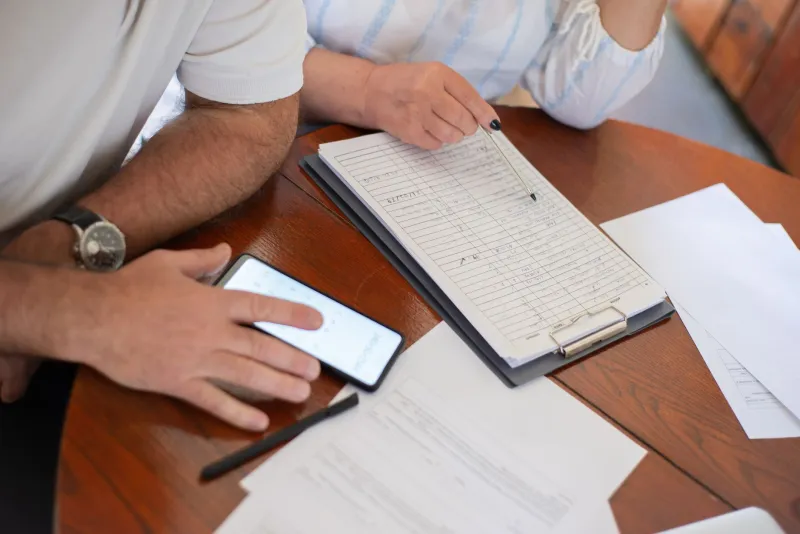
A simple kit can reduce the daily scramble. Use a single folder or binder for discharge papers, medication lists, appointment cards, insurance cards, and contact numbers. Add a one-page symptom log with spaces for temperature, pain, food and fluid intake, medication times, and any new concerns. Keep a thermometer, a pen, and a phone charger in the same place. If the care plan includes blood pressure or blood sugar monitoring, confirm that the equipment is present and that someone has been shown how to use it.
Stock a small shelf with easy-to-eat food, water, and any prescribed nutrition supplements. Place a wastebasket and clean linens near the recovery area. Clear a path to the bathroom and remove loose rugs. Post the hospital's question line, the primary care office, the pharmacy, and a nearby relative or neighbor in a visible spot. Families who live alone should identify one person who agrees to check in daily.
Warning Signs That Are Easy to Miss
Some warning signs are obvious: chest pain, difficulty breathing, fainting, or a fall with injury. Others are quieter. New confusion or unusual sleepiness can signal infection, dehydration, or a medication problem. A patient who stops drinking because nausea or fatigue makes it difficult may be heading toward dehydration. A wound that looks slightly more red or feels warmer each day deserves attention. Pain that is not controlled by the prescribed plan, or a prescription that cannot be filled, should trigger a call rather than a wait-and-see approach.
Families should also watch for system failures. Missing home health visits, equipment that never arrives, a follow-up appointment scheduled months out, or a medication list that conflicts with what the pharmacy dispensed are all reasons to contact the discharge team. These are not minor inconveniences. They are the predictable cracks through which avoidable readmissions occur.
The Space Between Appointments
Community supports can fill the interval between discharge and the next clinical visit. Area Agencies on Aging can connect older adults with meals, transportation, and caregiver relief. Local pharmacies often provide medication synchronization and adherence packaging. Community health workers and patient navigators can help families understand bills, schedule appointments, and arrange rides. In rural areas, critical access hospitals, faith communities, and county extension offices sometimes coordinate volunteer check-ins or medical equipment lending closets.
A call to 211 can connect families with local transportation, food, and utility assistance. Condition-specific organizations may offer peer support lines. These services do not replace clinical care, but they can make the difference between a family managing alone and a family managing with a safety net.
A Safer Transition Is a Family Project
The first 72 hours home from the hospital are not a test of family devotion. They are a care transition that can be planned, documented, and supported. Families who ask direct questions, build a small kit, and name their warning signs in advance are not being difficult. They are doing the work of safe recovery. Hospitals and community organizations share responsibility for making that work possible, but families can begin today by turning discharge papers into a workable plan.