Beyond the Turnstile: Why Rural Health Fairs Need Follow-Through, Not Just Foot Traffic
The Revival Is Real, but Uneven
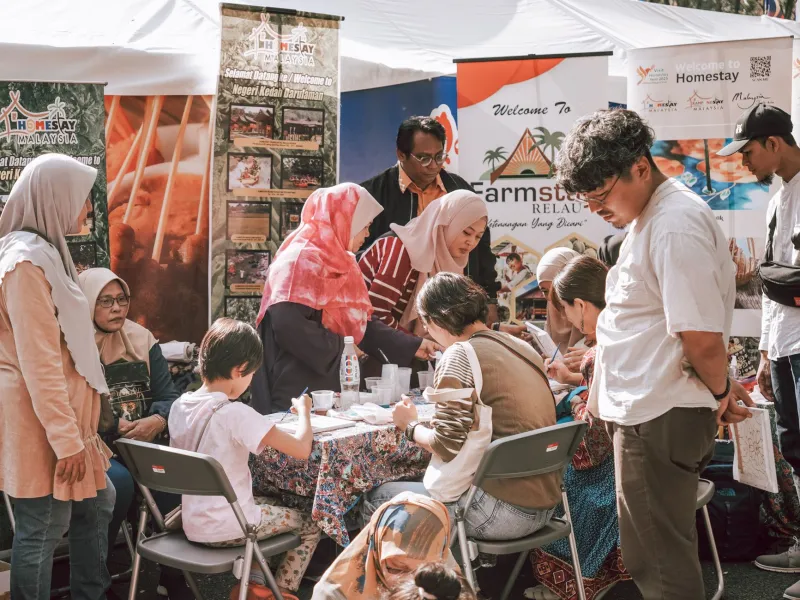
Community health fairs and screening events are returning to fairgrounds, church halls, libraries, and school gyms in 2026. The revival is welcome. After years of disrupted gatherings and strained public health capacity, these events offer a low-pressure way to connect families with blood pressure checks, glucose screenings, vaccination information, insurance navigation, and local services. Yet a crowded parking lot is not the same as a healthier community. The more important question is whether the families who need support most are present, and whether they leave with a workable next step.
Rural health fairs face a particular version of this challenge. Distances are longer, public transportation is sparse, and the local clinic may already be operating at capacity. A fair can create a brief moment of access, but it can also become a one-day spectacle that does not change the underlying pattern of care. Organizers and neighbors should judge these events not by attendance counts alone but by follow-through.
Who Attends, and Who Stays Home
Health fairs often reach the already engaged: people who read the newspaper, belong to a congregation, or have a regular primary care clinician. They may also attract adults who are curious about a specific screening. The families who stay home are frequently the ones facing the highest barriers: shift workers who cannot take a weekday off, parents without child care, older adults who no longer drive, farm and ranch families in the middle of a seasonal workload, and people who have learned to distrust institutions.
Language access matters as well. A fair that advertises only in English may exclude immigrant and refugee families in the same county. Disability access is another common gap. If the event is held in a building without accessible restrooms or seating, some neighbors cannot participate even when the services are free.
Barriers Are Practical and Relational
Transportation is the most visible barrier, but it is not the only one. Gas prices, long drives, and unreliable vehicles affect rural attendance. A lack of evening or weekend hours can exclude hourly workers. A requirement to register online can exclude households without broadband. Child care needs can make a two-hour event impossible for a parent. And trust is not created by a brochure. Families may avoid screening events because of past negative experiences with health care, fear of cost, immigration-related concerns, or the belief that a fair is a sales pitch for insurance products.
The solution is not to blame families for not showing up. It is to design the event around their actual constraints. That means offering mobile or pop-up fairs at workplaces, churches, schools, food distributions, and county extension events. It means scheduling evening and weekend hours when possible. It means providing transportation vouchers, gas cards, or a shuttle from a central location. It means arranging child care and seating. It means using qualified interpreters and translating materials into the languages spoken locally, not just the languages organizers find convenient.
Design for the Neighbor Who Cannot Come
A useful health fair begins with a simple question: who is missing from this room? Organizers can invite community health workers, faith leaders, librarians, and school nurses to co-design the event. These trusted local messengers can explain the purpose of the fair, address fears about cost or immigration status, and connect people with services in a way that feels personal rather than bureaucratic.
Services should be arranged as warm handoffs rather than drive-by screenings. If a blood pressure reading is high, the participant should leave with a scheduled appointment or a clear plan for obtaining one. If insurance navigation is offered, the counselor should have the capacity to follow up by phone. If a mobile clinic is present, it should be able to bill Medicaid and offer a sliding fee scale. Free screenings are valuable, but a screening without a next step can create anxiety without care.
Measure the Handoff, Not the Head Count
Attendance numbers are easy to report, but they say little about community benefit. Rural organizers can track a more meaningful set of indicators: how many participants received a follow-up appointment, how many were connected to a primary care home, how many transportation vouchers or interpreter services were used, and how many referrals were completed rather than simply given. A 30-day follow-up call can reveal whether a referral turned into care or disappeared into a voicemail system.
Qualitative measures matter too. Ask participants whether they felt respected and whether they would return. Ask local clinicians whether the fair reduced confusion or created a new backlog. Ask community health workers what barriers they observed. These questions require more effort than counting forms, but they produce information that can improve the next event.
A Better Return on Community Effort
Health fairs are not a substitute for sustained primary care, reliable transportation, or a well-funded rural health system. They are a bridge, and bridges are useful only if people can cross them. The 2026 revival is an opportunity to build better bridges: smaller events designed with the community, services that include a handoff, and evaluation that follows people beyond the exit table. When organizers measure follow-through rather than foot traffic, they can turn a single day of goodwill into a lasting connection for the families who need it most.