The Twice-a-Year Medicine Reset: A Household Guide to Safer Storage and Disposal
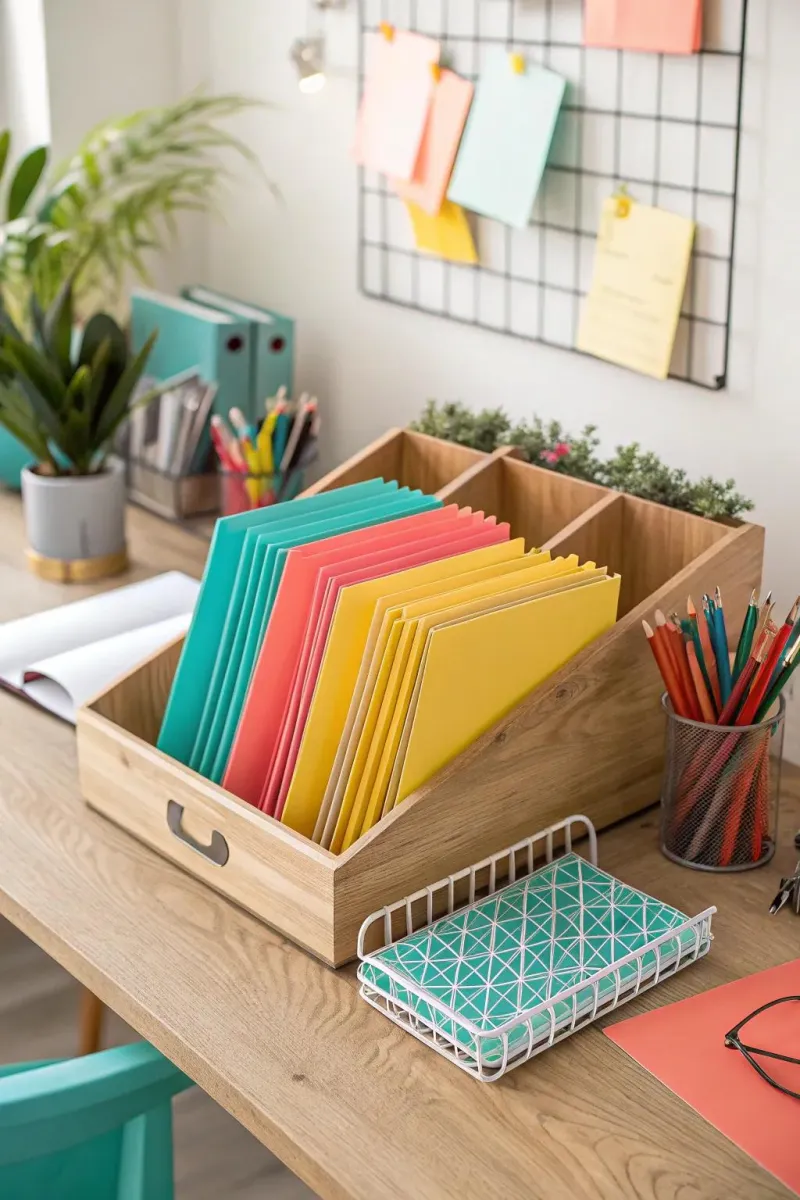
Photo: organized medication bottles on kitchen table with take-back disposal box and checklist, via vervilla.com
Every household has a version of the same drawer. It holds a bottle of antibiotics from a winter infection, a prescription that was changed after a reaction, a painkiller left from a dental procedure, and a few over-the-counter products that seemed useful at the time. The contents are rarely dangerous on their own, but together they create a quiet risk: confusion about what is current, easy access for children or pets, and a temptation to use a medication that was never meant for the person holding the bottle.
At MSHW Health, we see medication safety as a family routine rather than a single annual chore. A twice-a-year reset can reduce clutter, protect the people in the home, and make it easier for caregivers to know what is active and what should leave. The plan below is practical, nonclinical, and designed for a kitchen table rather than a clinic.
Choose a Day and a Single Work Area
Pick a calm time when interruptions are few. Clear a large table, turn on good lighting, and bring every medication storage place into one view: the kitchen drawer, the bathroom cabinet, the bedroom nightstand, the purse or backpack, the car console, and any bin used by a caregiver. Include prescription drugs, over-the-counter products, supplements, topical creams, liquids, inhalers, and eye drops. Keep children and pets away from the work area, and ask another adult to help if a household member has cognitive changes or many medications.
Keep items in their original containers for now. Labels carry the name, strength, expiration date, and instructions that you will need for the next steps. Do not open every bottle at once, and do not combine pills in a single bag. A tray or shallow box can keep the work contained.
Inventory Before You Decide
Make a simple list with columns for medication name, strength, expiration date, quantity remaining, prescriber or purpose, and a decision. The decision column can stay broad: keep, ask a pharmacist, or dispose. A paper list is fine; a shared spreadsheet is useful for caregivers who manage medicines across households.
As you list each item, ask four questions. Is this medication prescribed to someone who currently lives here? Is it still part of an active treatment plan? Has it expired or been discontinued? Is the label readable and the container intact? If any answer is unclear, set the item aside for a pharmacist or prescriber. Do not stop a current medication simply because the bottle looks old or the label is confusing. A quick call to the pharmacy counter is safer than a guess.
Separate Current Medicines From Leftovers
Current medicines should go back into secure storage once the inventory is complete. A locked box or a high, dry cabinet is better than a bathroom shelf, where heat and moisture can degrade some products. Refrigerated medicines should return to the refrigerator promptly, following their labeled instructions.
Leftovers fall into a few familiar groups: expired products, discontinued prescriptions, leftover antibiotics, medications prescribed to someone who has moved or died, and unlabeled items. Antibiotics deserve special attention. They should never be saved for a later illness, shared with another person, or used without a prescriber. The same is true for pain medications, sleep aids, and any drug that was prescribed for a specific person at a specific dose.
If a medication belongs to a family member who has died, handle it with care and avoid treating the bottle as a household relic. A take-back program can receive it discreetly. If a caregiver manages medicines for an older adult, include that person in the conversation when possible and document what has been removed.
Use Authorized Disposal Channels
The safest route for most unwanted medicines is an authorized take-back program. The U.S. Drug Enforcement Administration maintains a search tool for controlled substance take-back locations, and many communities host collection events. Local police departments, retail pharmacies, hospitals, and community health centers may also offer year-round drop boxes. Mail-back envelopes are another option for some medications, especially for households that cannot travel to a drop-off site.
For controlled substances, take-back is the preferred route. Do not place them in the trash unless a specific local program instructs you to do so. For other medications, follow the instructions on the label or from your pharmacy. A small number of medicines are on the FDA flush list because they can be especially dangerous if found and ingested; those should be flushed only when a take-back option is not available. Never flush other medicines by default, and never crush or mix them with coffee grounds or kitty litter unless a take-back program explicitly provides that instruction.
Before dropping off a medication, remove or obscure personal information on the label while keeping the medication identifiable. Keep the items out of sight until the drop-off, and store them away from children and pets in the meantime. Sharps require a separate sharps container, not a medication bag. Liquid medications should stay in their original containers and be packed carefully to prevent leaks.
Set the Twice-a-Year Reminder
A medication reset works best when it is tied to an existing seasonal habit. Many families use the twice-yearly clock changes as a prompt, while others choose a birthday, a back-to-school week, or the first weekend in January and July. The exact date matters less than the repetition. Put the reminder in a phone calendar, a paper planner, and the family group chat. Invite a caregiver or an adult child who helps with an older relative to use the same dates.
Set aside thirty minutes. Check expiration dates, remove anything that has left the active plan, confirm that high-risk medicines are locked away, and update the inventory list. If the household includes young children or pets, test cabinet latches and confirm that child-resistant caps are fully closed. Child-resistant is not childproof, so storage still matters.
Make the Routine Stick
A reset is not about creating a perfect medicine cabinet. It is about making the household easier to understand during a stressful moment. When a caregiver arrives, when a child is sick, or when an older adult is discharged from the hospital, a clear inventory and a safe disposal plan reduce confusion.
MSHW Health encourages families to treat medication cleanup as part of the same prevention routine that covers smoke alarms, emergency contacts, and weather supplies. The drawer of half-used bottles does not have to become a source of worry. With a twice-a-year reset, it can become a simple checkpoint: what is current, what is secure, and what should leave the home through an authorized program.