Before the Well Runs Dry: Mapping Respite Options in Rural Caregiving
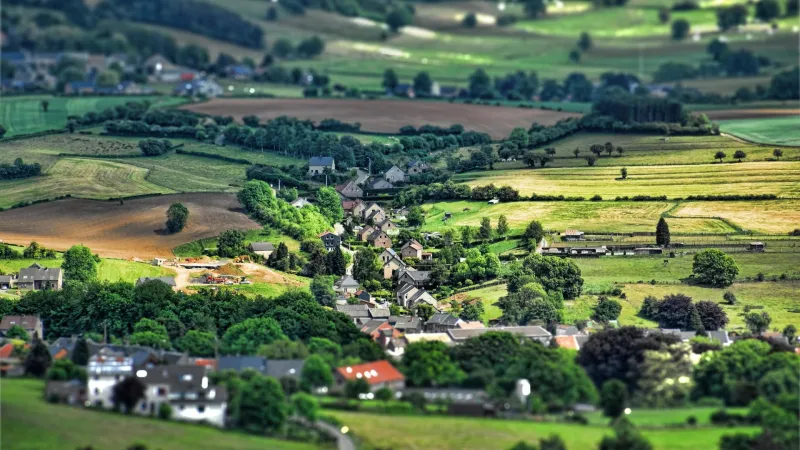
Photo: rural home caregiver looking at resource list at kitchen table with calm natural light, via get.wallhere.com
Rural caregivers often carry the work of several people. They may manage medications, transportation, meals, household tasks, and medical appointments across long distances. They may also be the only family member nearby. In that setting, a short break can feel like a luxury or an impossible request. It is neither. Respite is a health resource for the caregiver and the person receiving care. Planning for it before exhaustion sets in is a practical part of rural health.
Respite Is Not a Failure of Family Care
Many caregivers equate respite with giving up. The opposite is more accurate. A planned break can lower stress, reduce isolation, and make it possible to continue caring safely. The risk is that caregivers wait until they are depleted, then look for help in a crisis. In rural areas, that delay is especially dangerous because services may be far away, waitlists may be long, and transportation may be limited.
The first step is to treat respite as a scheduled health maintenance task. Put it on the calendar the way a family might schedule a dental appointment or a medication review. The goal is not a perfect weekly arrangement. The goal is a tested backup plan.
The Four Main Kinds of Respite
Respite comes in more forms than many families realize. A useful map includes four broad categories.
- In-home paid respite. A home care aide, personal care attendant, or trained respite worker comes to the home for a few hours. This option can be helpful when the person receiving care is most comfortable at home.
- Out-of-home respite. Adult day programs, overnight respite centers, and some faith-based programs offer care outside the home. In rural areas, the nearest program may require a longer drive.
- Faith and civic volunteers. Some congregations, service clubs, and community groups organize visitor programs, meal support, or companion care. These are not a substitute for clinical care, but they can provide a social break.
- Informal swaps. Two families in similar situations agree to cover short periods for each other. This works best when expectations are clear and the care tasks are simple.
Each option has limits. Paid aides may be scarce. Adult day programs may not serve people with certain needs. Volunteers may not be trained for personal care. A good map records what each option can and cannot do.
Start With a One-Page Caregiver Profile
Any helper needs basic information. Prepare a one-page profile that lists the person's diagnoses, medications, allergies, mobility needs, meal routines, bathroom assistance, communication preferences, and emergency contacts. Include what calms the person and what should be avoided. Keep the profile current and place a copy in a known spot.
This document makes a trial run safer. It also reduces the caregiver's mental load. Instead of explaining everything from memory, the caregiver can hand over a concise summary and answer questions.
Map What Exists Within an Hour
A rural respite map should be realistic about distance. Draw a circle around the home that represents a manageable drive. Then list every possible resource inside that circle and just beyond it. Call the local Area Agency on Aging, the Eldercare Locator, the state Lifespan Respite program, Medicaid waiver offices, veteran services, faith communities, and community health workers. Ask the clinic social worker whether the health system keeps a respite list. Some county extension offices and libraries also maintain caregiver resource files.
For each option, record the basics: contact name, phone number, hours, cost, sliding-scale availability, waitlist length, transportation options, and training requirements. Ask whether the program serves people with the specific condition or behavior the caregiver is managing. A program that works well for one family may not fit another.
A Test Run, Not an Emergency
The most important step is to test one option before it is needed. Start small. A two-hour break on a weekday afternoon is enough to learn how the arrangement works. If a paid aide is available, schedule a trial visit while the caregiver remains nearby. If a trusted volunteer is available, prepare the profile and set clear boundaries.
After the test, debrief. What went well? What was confusing? Did the person receiving care feel safe? Did the helper have enough information? Adjust the plan and try again. A tested two-hour break is more useful than an untested list of agencies.
Build a Backup Layer
Respite plans fail when they depend on one person. Build a backup layer with at least two names. A neighbor who can check in, a congregation member who can bring a meal, a relative who can take a phone call, or a community health worker who can help navigate services all count. Keep phone numbers in one place and tell the backup people what they are being asked to do.
Rural transportation deserves special attention. A respite program may exist, but the caregiver may not be able to get the person there. Ask about transportation vouchers, volunteer drivers, or in-home options. If none are available, the map should say so plainly.
When Money Is Tight
Cost is a real barrier. Ask every program about sliding scales, grants, Medicaid waiver eligibility, veteran benefits, and faith-based assistance. Some state Lifespan Respite programs offer vouchers or small grants. The details vary, and eligibility rules change. Families should ask directly rather than assume they do not qualify.
The Map Is a Living Document
A respite map is not finished once. Review it every few months and after any change in health, insurance, or living arrangements. Mark what worked and what should be removed. Share the map with the primary care office so the care team knows the caregiver has a plan.
In 2026, rural caregiving still depends heavily on family effort. That effort is more sustainable when it includes planned breaks, honest limits, and a written map of help. The well does not need to run dry before anyone looks for water.