The Heirloom We Can Actually Use: Gathering Family Health History at Holiday Gatherings
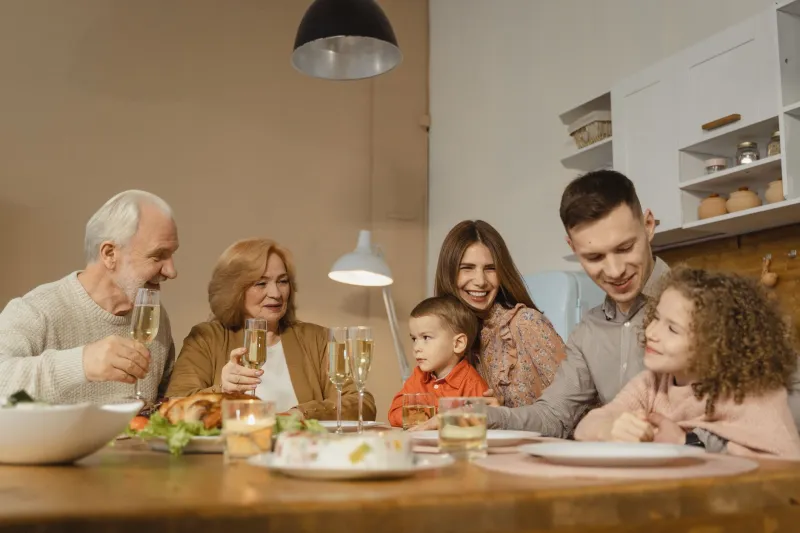
As the 2026 holiday season approaches, many families will gather around tables that hold recipes, photographs, and stories passed down for generations. Health history is another kind of heirloom. It can be just as useful as a family recipe, but it is harder to collect. Questions about illness can feel intrusive, especially when they arrive in the middle of a holiday meal.
The goal is not to turn dinner into an interrogation. The goal is to notice patterns, record what is known, and bring useful information to a clinician. MSHW Health offers this guide as awareness and support, not medical advice. Families should consult their clinicians about screening and risk.
Start with stories, not symptoms
Direct questions about disease can put people on the defensive. Open-ended questions about family life often work better. Ask what holidays were like years ago, what work family members did, or what remedies grandparents trusted. Health details sometimes surface naturally in those stories.
Useful starters include: What do you remember about Grandma health? Did anyone in the family have trouble with their heart? Were there illnesses that people talked about quietly? These questions invite memory rather than confession. Ask one or two at a time, and do not press for details.
A holiday table script that leaves room to decline
A script can make the conversation easier. Try: I am putting together a family health record for my next checkup. May I ask a few questions? You do not have to answer anything you would rather not. I am asking about patterns, not prying. If you would rather write it down, I can leave a card. Who else should I talk to?
These phrases signal respect. They also give the relative a way to participate without revealing more than they wish. If the answer is not sure or I do not know, record that. Uncertainty is information too. Offer to share the finished record with relatives who contributed.
When adoption, estrangement, or missing information is part of the story
Not every family knows both sides of its history. Adoption, donor conception, estrangement, migration, and lost contact can leave gaps. Do not treat gaps as failures. Ask about the side of the family that is known, and write Unknown where information is unavailable.
For estranged relatives, a simple statement helps: I understand that side is not available. We can leave it blank. For adopted relatives, ask whether they have access to birth family history and whether they want help requesting it. A clinician or genetic counselor may be able to guide the process. The point is to avoid pressure and to document what is known without shame.
What to record, and why these four categories matter
Heart disease, diabetes, cancers, and mental health are common areas where family patterns can inform clinician conversations. Record the condition, the relative, the age at diagnosis when known, and any relevant notes. Age matters because early onset in a close relative may prompt different questions from a clinician.
Use respectful language for mental health. Avoid labels that family members have not chosen. Record hospitalizations or treatment only if the relative is comfortable sharing. The record is a conversation aid, not a diagnosis.
A simple record-keeping template
| Condition | Relative | Age at diagnosis | Notes |
|---|---|---|---|
| Heart disease | Maternal grandfather | 62 | Heart attack; lived to 80 |
| Diabetes | Father | 45 | Managed with medication |
| Cancer | Paternal aunt | 51 | Breast cancer |
| Mental health | Sibling | 20s | Anxiety; treatment unknown |
Add rows for stroke, high blood pressure, or other conditions your clinician asks about. Keep the document secure, whether on paper or in a password-protected file. Update it annually or when new information emerges.
Bring the record to the clinician visit
Print the record or upload it to the patient portal before an appointment. Ask directly: Does this family history suggest any screening I should consider? A clinician may recommend earlier screening, genetic counseling, or no change in routine care. Do not start, stop, or change medications based on family history alone.
Holiday gatherings will not produce a complete medical record. They can, however, produce a more useful one. A few gentle questions, a written note, and a follow-up with a clinician can turn family stories into a practical heirloom for the next generation.